How to Share Documents Securely (Without Email Risks)
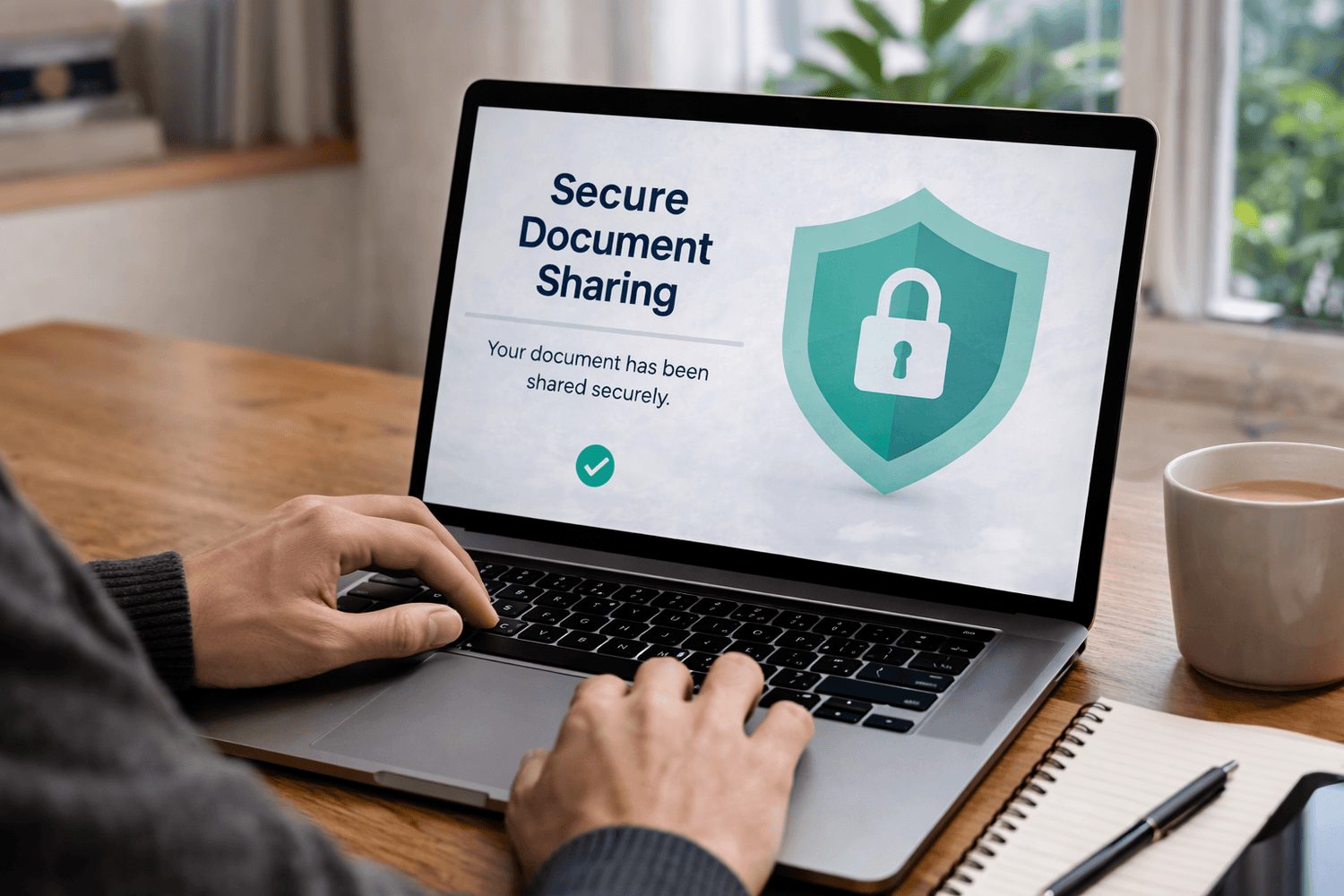
Sharing documents has become part of everyday life — whether you're sending financial records, legal files, identification documents, or business reports. Yet most people still rely on email or messaging apps to send sensitive information, without realising the risks involved.
The problem? Email was never designed to securely handle confidential data.
If you want to protect your personal or professional information, understanding how to share documents securely is essential. In this guide, we’ll explain the risks of traditional methods and show you safer, more reliable alternatives.
Why Email Is Not Safe for Sharing Documents
Email remains one of the most common ways to send files — but also one of the least secure.
When you attach a document to an email:
It can be intercepted during transmission
It can be forwarded without your control
It can be stored on multiple servers
It may remain accessible indefinitely
These vulnerabilities make email a frequent entry point for cyberattacks. In fact, phishing and email-based attacks are among the leading causes of data breaches today. This is why data protection needs a modern upgrade.
The Risks of Sharing Sensitive Files Online
Using insecure methods to share documents can lead to serious consequences, including:
Identity theft
Financial fraud
Data breaches
Loss of confidential business information
Legal and compliance issues
Whether you're an individual or a professional, protecting your files should be a top priority. Many of these risks can be reduced by understanding what secure document storage is and why it matters before sharing any sensitive information.
What Is Secure File Sharing?
Secure file sharing allows you to send and receive documents in a protected environment where only authorised individuals can access the information.
Unlike email or basic cloud services, secure file sharing uses:
Encryption to protect data
Access controls to limit visibility
Authentication layers to verify users
This ensures your files remain private and secure throughout the entire process.
Best Ways to Share Documents Securely
If you want to avoid unnecessary risks, here are the safest ways to share documents:
1. Use an Encrypted Platform
Choose a platform that provides encrypted storage and secure sharing features. This ensures your files cannot be accessed by unauthorised users.
Many people now choose to organise and protect their documents with a secure digital vault, allowing them to share files safely from one central location.
2. Avoid Sending Sensitive Files via Email
Instead of attaching documents to emails, use a secure platform where access can be controlled and monitored.
3. Control Who Has Access
Only share documents with people who need them. Limit permissions and revoke access when necessary.
4. Use Multi-Factor Authentication
Adding extra layers of security significantly reduces the risk of unauthorised access.
5. Keep Documents Centralised
Avoid storing files across multiple platforms. A single secure system improves both organisation and security. This is particularly useful when managing documents such as passports or IDs, similar to keeping travel documents safe with secure digital storage.
Secure File Sharing for Professionals (Accountants and Businesses)
For professionals such as accountants, lawyers or consultants, secure file sharing is not just a convenience — it’s a responsibility.
Clients trust you with highly sensitive information, and using insecure methods like email or public platforms can expose both you and your clients to risk.
This is one of the key challenges explored in the real problems accountants face today and how to overcome them, where data security and client communication play a critical role.
By using secure systems, professionals can:
Protect client data
Improve efficiency
Build trust
Stay compliant with regulations
How MeaVitae Enables Secure File Sharing
MeaVitae provides a secure digital environment designed to protect your most important information.
With MeaVitae, you can:
Store documents in an encrypted digital vault
Share files securely with trusted individuals
Control access and permissions
Keep all your information organised in one place
Whether you're managing personal documents or professional data, MeaVitae allows you to share information safely and confidently.
Sharing documents securely is no longer optional
As digital risks continue to grow, relying on outdated methods like email can expose your information to unnecessary danger. By adopting secure file sharing practices and using the right tools, you can protect your data, maintain privacy and avoid costly mistakes.
If you want to take control of your digital security, start by choosing a solution that puts protection first.